Industrial growth and investment are among the key priorities across the Gulf region. With the implementation of the Unified Customs Law, customs exemptions have become more structured and transparent, providing businesses and traders with real opportunities to reduce costs and strengthen their competitiveness.
In this article, we provide a comprehensive overview of customs exemptions in the Gulf Cooperation Council (GCC) countries, including the main types of exemptions, eligible goods, requirements, and the practical benefits for businesses and individuals.
What Are Customs Exemptions in the GCC?
Customs exemptions are incentives granted by GCC member states that allow certain goods to be fully or partially exempt from customs duties, subject to specific regulations and conditions.
These exemptions aim to:
- Support domestic production
- Reduce operating costs for manufacturers
- Attract foreign investment
- Promote intra-GCC trade
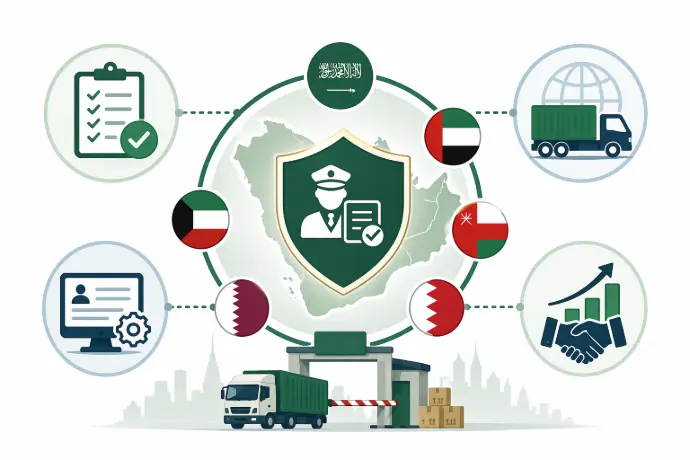
The GCC Unified Customs Law
The GCC Unified Customs Law was introduced in 2003 to establish a common legal framework governing customs procedures across member states, including customs exemptions.
The unified system helps to:
- Standardize customs procedures
- Facilitate the movement of goods between member states
- Reduce administrative complexity
- Strengthen economic integration across the GCC
Types of Customs Exemptions in GCC Countries
Industrial Exemptions
These exemptions apply to raw materials, production inputs, machinery, and industrial equipment required by manufacturing facilities.
Their primary objective is to support industrial development and reduce production costs.
Diplomatic Exemptions
Granted to embassies, consulates, and international organizations based on the principle of reciprocal treatment between countries.
Military Exemptions
Cover military equipment, weapons, ammunition, specialized vehicles, and other imports intended for defense and security authorities.
Personal Effects Exemptions
Include personal belongings carried by travelers, household goods imported by new residents, and non-commercial gifts within the permitted limits.
Charitable Organization Exemptions
Granted for humanitarian aid and supplies imported by charitable organizations to support social and relief activities.
Returned Goods Exemptions
These include:
- National products that were exported and later re-imported.
- Foreign goods that were re-exported and subsequently re-imported within the specified time limit.
Goods Commonly Exempt from Customs Duties
The list of exempt goods generally includes:
- Industrial raw materials
- Manufacturing machinery and production equipment
- Medicines and medical supplies
- Books and educational materials
- Humanitarian aid
- Certain personal belongings of travelers
Requirements for Obtaining Customs Exemptions
To qualify for a customs exemption, applicants generally must:
- Submit a valid Certificate of Origin
- Provide accurate and complete supporting documentation
- Obtain prior approval where required
- Ensure the goods remain in their original condition
- Comply with all applicable customs regulations
Requirements for Returned Goods
Requirements typically include:
- Proof of domestic origin
- Re-importation without alteration
- Prior approval before the original export, where applicable
Foreign Goods
Requirements generally include:
- Re-importation within the specified period (commonly one year)
- The importer must be the same party that originally exported the goods
- Evidence that customs duties were previously paid, where applicable
Benefits of Customs Exemptions in the GCC
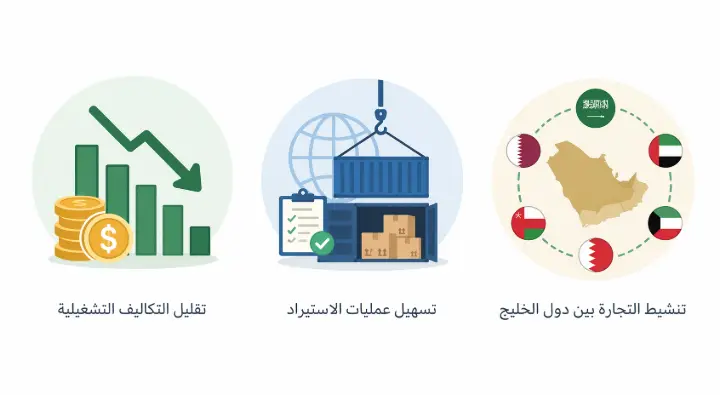
For Businesses
- Lower operating costs
- Improved profit margins
- Greater opportunities for industrial expansion
For Traders
- Easier import procedures
- Increased market competitiveness
For the Economy
- Attraction of foreign investment
- Support for local industries
- Enhanced trade among GCC member states
When Can a Customs Exemption Be Revoked?
A customs exemption may be withdrawn under circumstances such as:
- Providing false or inaccurate information
- Violating customs regulations
- Using the exemption for purposes other than those approved
- Discontinuing business operations without notifying the relevant authorities
How to Maximize the Benefits of Customs Exemptions
To make the most of available exemptions:
- Plan imports around goods that qualify for exemptions
- Ensure all eligibility requirements are met
- Prepare complete and accurate documentation
- Stay informed about updates to customs regulations across GCC countries
Conclusion
Customs exemptions in the GCC represent a valuable strategic opportunity for businesses to reduce import costs and support commercial and industrial growth. Supported by the GCC Unified Customs Law, customs procedures have become more efficient and harmonized, helping create a stronger and more integrated business environment throughout the region.