In the modern world of international trade, the movement of goods across borders relies on standardized systems that ensure smooth classification, faster customs clearance, and efficient exchange of trade data between countries worldwide. One of the most important of these systems is the HS Code (Harmonized System Code), which serves as the common global language for classifying products and goods traded internationally.
Whether you are an importer, exporter, e-commerce business owner, or a company involved in international trade, understanding the HS Code system in the UAE helps you classify products correctly, comply with customs regulations, and avoid delays and issues caused by incorrect classification.
In this comprehensive guide, we will explain what the Harmonized System Code is, how it works, why it is important in the UAE, how to read an HS Code, how to find the correct code for products, and the most common mistakes to avoid when using it.
What Is an HS Code?
The HS Code (Harmonized System Code) is an internationally standardized system for classifying goods and products. It was developed and is administered by the World Customs Organization (WCO) to create a common global language that helps governments, customs authorities, and businesses classify products consistently.
The system uses numerical codes assigned to individual products or groups of products according to their nature, composition, and intended use. This allows goods to be identified accurately throughout the various stages of international trade.
Today, the HS system is used in more than 200 countries and territories worldwide and covers more than 98% of global merchandise trade, making it the most widely used international standard for product classification.
Why Is the HS Code Important in the UAE?
The HS Code plays an essential role in regulating import and export operations in the United Arab Emirates, as government authorities and businesses rely on it to classify goods and exchange trade information in a standardized manner.
Its importance can be seen in several key areas:
Facilitating Customs Clearance
When the correct HS Code is used for a product, customs authorities can identify the nature of the goods more quickly. This can help streamline procedures and reduce the likelihood of shipment delays.
Standardizing Product Classification
The system provides a common classification language for suppliers, importers, shipping companies, and government authorities, reducing errors and misunderstandings.
Enhancing Regulatory Compliance
Accurate classification helps businesses comply with import and export regulations and avoid issues resulting from incorrect or inaccurate product classification.
Improving the Accuracy of Trade Documents
HS Codes are used in various commercial and shipping documents, including commercial invoices, certificates of origin, and shipping documentation.
Supporting Trade Statistics
Government authorities rely on HS Code data to analyze foreign trade activity and prepare economic reports and studies.
How Is an HS Code Structured?
The Harmonized System uses a hierarchical structure that moves from general product categories to increasingly specific classifications.
The internationally standardized HS Code consists of six digits:
The First Two Digits — Chapter
The first two digits represent the main chapter to which the product belongs.
For example:
- Chapter 61 covers certain types of clothing.
- Chapter 85 covers electrical machinery and equipment.
The Third and Fourth Digits — Heading
The third and fourth digits represent the main heading within the chapter and identify a more specific category of products.
The Fifth and Sixth Digits — Subheading
The fifth and sixth digits represent the subheading, providing a more detailed classification of the product.
These six digits form the internationally standardized foundation used by countries around the world.
Local Extensions of HS Codes
Although the international Harmonized System consists of six digits, some countries add additional digits for local customs, statistical, and regulatory purposes.
Some countries may therefore use codes consisting of 8 or 10 digits to provide a higher level of detail for specific products.
The first six digits remain the internationally standardized portion of the classification system.
How to Read an HS Code Step by Step
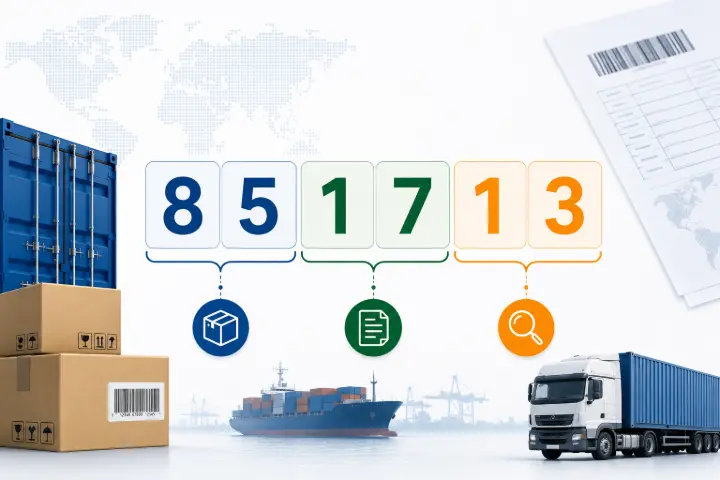
To better understand how the system works, consider the following example:
851713
It can be interpreted as follows:
| Part | Description |
|---|---|
| 85 | Main chapter |
| 8517 | Main heading |
| 851713 | Final subheading |
Each level of classification adds more detail about the nature of the product until the appropriate classification is reached.
What Is the Difference Between HS Code and HSN Code?
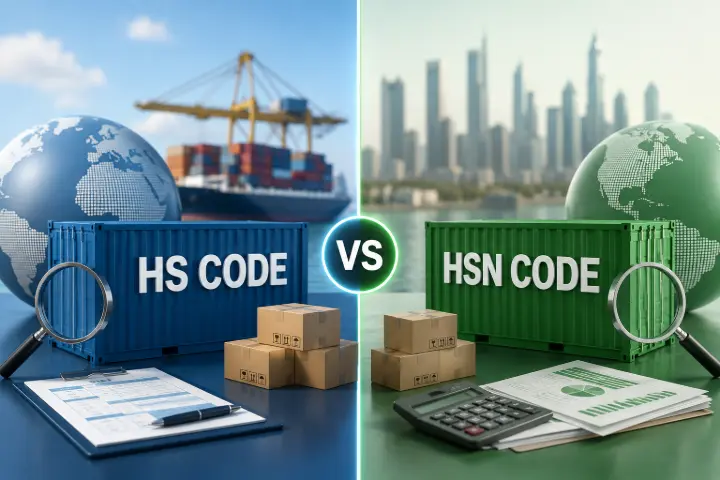
The terms HS Code and HSN Code are sometimes confused, but they are fundamentally based on the same international classification system.
The term HSN Code is commonly used in certain tax systems and domestic markets, while HS Code is more widely used in international trade, shipping, and customs.
In both cases, the classification structure is based on the internationally recognized Harmonized System.
Product Classification Structure Within the Harmonized System
The Harmonized System was designed as a structured hierarchy that makes it easier to classify millions of different products.
It consists of:
Sections
Sections represent broad groups of goods.
Chapters
Chapters represent the main product classifications.
Headings
Headings provide a more specific classification within each chapter.
Subheadings
Subheadings represent the most detailed level of the international six-digit classification.
This structure helps classify products logically and systematically regardless of their type or industry.
Examples of HS Codes for Products
Below are some illustrative examples of product classifications:
| Product | Example HS Code |
|---|---|
| Smartphones | 851713 |
| Laptops | 847130 |
| Unroasted coffee | 090111 |
| Men's cotton shirts | 620520 |
| Sports footwear | 640411 |
These examples demonstrate how the HS Code can vary depending on the nature, composition, and intended use of a product.
How to Find the Correct HS Code for a Product
Choosing the correct HS Code is one of the most important steps in the import and export process.
You can determine the appropriate classification by using the following methods:
Study the Product Specifications
You should understand:
- The material from which the product is made.
- Its primary function.
- Its intended use.
- Its technical characteristics.
Review Supplier Documentation
Commercial invoices, product specifications, and technical documents may include the HS Code used by the manufacturer or supplier.However, the supplier's code should not automatically be assumed to be the correct classification for your shipment. It should be verified against the applicable customs requirements.
Use Official Databases
Many customs authorities and government agencies provide classification tools and databases that can help identify the appropriate code for specific products.
Consult Classification Experts
For complex, technical, or specialized products, it may be advisable to consult customs classification specialists or international trade advisors.
What Factors Affect the Selection of an HS Code?
Correct classification depends on several important factors, including:
Product Material
The raw material used to manufacture a product can affect its classification.
Product Function
Some products are classified according to their primary function rather than their physical appearance.
Intended Use
Products that look similar may have different HS Codes because they are designed for different purposes.
Degree of Processing
In some industries, classification may depend on whether a product is raw, semi-processed, or fully manufactured.
Common Mistakes When Using HS Codes
Relying on Guesswork
Choosing a code based on assumptions or personal judgment can result in incorrect classification.
Using a Similar Code
Some products may appear very similar but fall under completely different classifications.
Ignoring Technical Specifications
Small differences in product specifications can have a significant impact on the final classification.
Using Outdated Codes
The Harmonized System is periodically updated, so businesses should ensure they are using the latest applicable classification.
Failing to Verify the Code Before Shipment
It is always advisable to verify the HS Code before preparing and issuing shipping and customs documentation.
What Happens If the Wrong HS Code Is Used?
Using an inaccurate HS Code can result in several operational and compliance issues, including:
- Delays in customs clearance.
- Additional inspection or review of the goods.
- The need to amend shipping or customs documents.
- Increased processing time for shipments.
- Potential regulatory compliance issues.
For this reason, businesses should always verify the correct product classification before beginning the shipping process.
Best Practices for Managing HS Codes Within a Company
To maintain classification accuracy and ensure ongoing compliance, companies can follow these best practices:
- Create and maintain an updated product classification database.
- Review HS Codes regularly.
- Standardize product classifications across different departments.
- Keep detailed technical specifications for every product.
- Monitor updates to the international Harmonized System.
- Train employees responsible for import and export operations.
Frequently Asked Questions

What Is an HS Code?
An HS Code is an internationally standardized system used to classify goods and products in global trade.
Is the HS Code the Same in Every Country?
The first six digits are internationally standardized, while some countries add additional digits for domestic customs, statistical, or regulatory purposes.
How Can I Find the Correct HS Code for My Product?
You can use product specifications, supplier documentation, official customs databases, or consult a classification specialist.
Can an HS Code Change?
Yes. The Harmonized System is periodically updated to reflect developments in international trade and the introduction of new products.
What Is the Difference Between HS Code and HSN Code?
Both terms are based on the same international Harmonized System. The terminology and additional classification requirements may vary depending on the country or authority.
Why Is the HS Code Important?
It helps standardize product classification, facilitate international trade procedures, and improve the accuracy of customs, shipping, and commercial documentation.
Conclusion
The Harmonized System Code (HS Code) is one of the most important tools used in modern international trade. It helps standardize product classification and facilitates the movement of goods between countries around the world. It also enables businesses to organize their import and export operations, improve the accuracy of commercial documentation, and comply with applicable regulatory requirements.
As global trade continues to grow and supply chains become increasingly complex, understanding the HS Code system and using it correctly has become essential for any company or individual involved in international trade.
Businesses should therefore always verify the appropriate classification for their products and monitor periodic updates to ensure smooth trade operations and avoid problems associated with incorrect product classification.