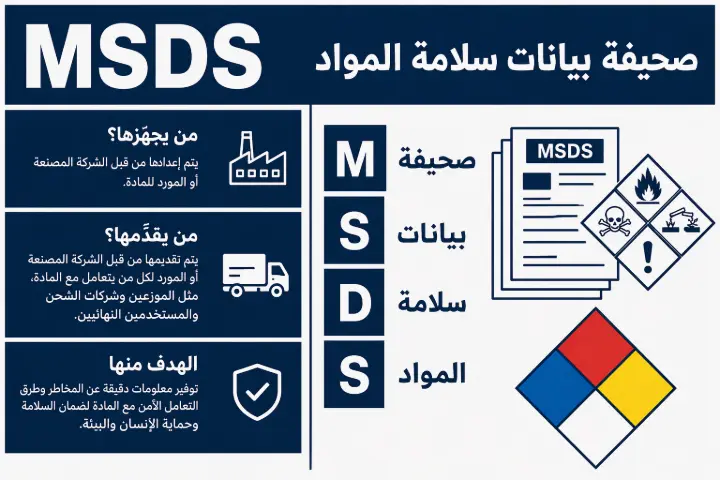
In the world of shipping and logistics, safety is not limited to protecting cargo—it also extends to safeguarding people, protecting the environment, and ensuring compliance with international regulations. This is where Material Safety Data Sheets (MSDS) play a vital role, serving as an essential document that cannot be overlooked when handling hazardous materials.
Whether you work in shipping, manufacturing, or even warehousing, understanding how to read and interpret an MSDS correctly plays a direct role in minimizing risks, improving workplace safety, and enhancing operational efficiency.
What Are Material Safety Data Sheets (MSDS)?
A Material Safety Data Sheet (MSDS) is an official document that provides detailed information about a specific chemical substance, including:
- Physical and chemical characteristics
- Health and environmental hazards
- Safe handling and storage procedures
- Emergency response and first aid measures
This document is typically issued by the manufacturer and is mandatory in many industries that handle hazardous materials.
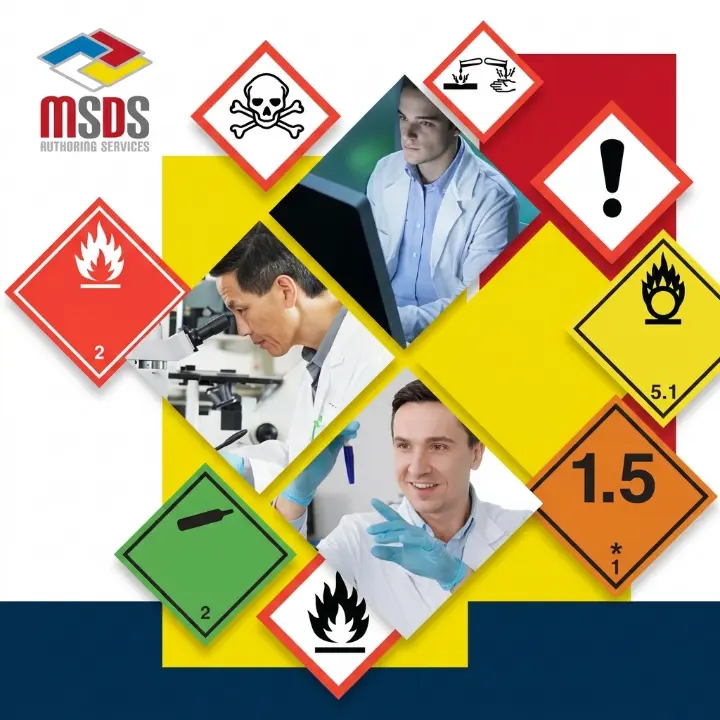
Hazard Symbols and Their Meanings
Hazard symbols provide a quick visual indication of the type of risk associated with a substance and are an essential part of the global safety system. These symbols represent hazards such as flammability, toxicity, corrosion, and explosiveness. They are displayed on product packaging and included in the MSDS to communicate potential dangers immediately.
Understanding these symbols helps shipping and warehouse personnel take appropriate precautions, use the correct personal protective equipment (PPE), and handle hazardous materials safely to prevent accidents and environmental damage.
Why Is MSDS Important in Shipping and Logistics?
When transporting hazardous materials, an MSDS is essential for ensuring:
- Compliance with international regulations
- Worker safety
- Protection of transportation modes (air, sea, and road)
- Reduction of accidents and spills
In particular, sea and air freight carriers rely on the MSDS to determine:
- The appropriate packaging method
- The material's hazard classification
- Transportation and storage requirements
Components of an MSDS
An MSDS typically consists of 16 standard sections, including:
1. Identification
Product and supplier information
2. Hazard Identification
Hazard classification (toxic, flammable, corrosive, etc.)
3. Composition / Information on Ingredients
Main chemical components and concentrations
4. First Aid Measures
Emergency procedures in case of exposure
5. Fire-Fighting Measures
Suitable extinguishing methods
6. Accidental Release Measures
Procedures for spill containment and cleanup
7. Handling and Storage
Safe handling and storage practices
8. Exposure Controls / Personal Protection (PPE)
Recommended gloves, masks, goggles, and other protective equipment
9. Physical and Chemical Properties
Color, odor, boiling point, and other characteristics
10. Stability and Reactivity
Potential hazardous reactions and stability information
11. Toxicological Information
Health effects and toxicity data
12. Ecological Information
Environmental impact and hazards
13. Disposal Considerations
Safe disposal methods
14. Transport Information
Shipping classification and transportation precautions
15. Regulatory Information
Applicable laws and regulations
16. Other Information
Additional relevant details
Hazard symbols provide a quick visual indication of the type of risk associated with a substance and are an essential part of the global safety system. These symbols represent hazards such as flammability, toxicity, corrosion, and explosiveness. They are displayed on product packaging and included in the MSDS to communicate potential dangers immediately.
How to Read an MSDS Correctly
To understand an MSDS quickly and effectively:
- Start with the Identification section to verify the substance.
- Review Hazard Identification to assess potential risks.
- Read the First Aid Measures section for emergency response procedures.
- Check the Transport Information before shipping.
- Review the Personal Protective Equipment (PPE) requirements before handling the material.
What Materials Require an MSDS?
Many products require an MSDS, including:
- Batteries and electronic products
- Flammable liquids (such as oils)
- Paints and solvents
- Industrial chemicals
- Pesticides and fertilizers
- Adhesives
- Cosmetics
- Pharmaceuticals
- Combustible powders
What Happens If an MSDS Is Not Available?
The absence of an MSDS may result in:
- Shipment delays
- Rejection by transportation carriers
- Additional fines and penalties
- Significant safety risks
How Can You Obtain an MSDS?
You can obtain an MSDS through:
- The manufacturer or supplier
- Specialized chemical database websites
- Shipping documentation provided with the shipment
Types of Hazardous Goods We Transport
- Chemicals
- Fuels (gasoline and diesel)
- Gases
- Oils
- Ammonium nitrate
- Flammable liquids
- Oxidizing substances
- Corrosive materials
Conclusion
Material Safety Data Sheets (MSDS) are the cornerstone of effective risk management when handling hazardous materials. By understanding and applying the information they provide, businesses can achieve the highest standards of safety, regulatory compliance, and operational efficiency.
If you are planning to ship hazardous materials, always ensure that a valid MSDS is available and work with a specialized logistics provider to guarantee safe and compliant transportation.
Hazardous Materials Shipping Services – Safe & Comprehensive Solutions
We provide professional transportation services for all classes of hazardous goods in accordance with the highest international standards, including:
- Air, sea, and road freight
- Certified hazardous materials packaging
- Documentation preparation (MSDS, Bill of Lading, and permits)
- Customs clearance
- Technical consulting
Why Choose BayRex?
- Over 10 years of experience in hazardous materials transportation
- IATA Dangerous Goods (DG) certified team
- Global shipping network
- End-to-end logistics solutions (door-to-door service)
- Full compliance with international regulations
contact us
We're here to assist with all your hazardous materials shipping and logistics needs.
Contact us today for expert consultation, a customized quotation, or professional technical support.