The United Arab Emirates is one of the world’s leading commercial and logistics hubs, with millions of tons of goods passing through its ports and airports every year. With this high volume of international trade, cargo insurance has become one of the most important elements of risk management, helping importers and exporters protect their investments during shipping operations.
Shipments transported by sea, air, or land may be exposed to unexpected circumstances, such as accidents, damage, loss, theft, or other risks. Therefore, insurance helps reduce financial losses and provides greater peace of mind for businesses when transporting their goods domestically or internationally. Insurance activities in the UAE are subject to the supervision and regulation of the Central Bank of the UAE, ensuring a clear regulatory framework for the insurance sector.
What Is Cargo Insurance?
Cargo insurance is an insurance policy designed to protect goods during transportation against risks that may result in damage or loss, subject to the terms and conditions of the insurance policy.
Insurance coverage varies depending on the type of goods, mode of transportation, shipment route, and type of policy issued. Therefore, it is important to review the coverage terms before shipping.
Why Is Cargo Insurance Important?
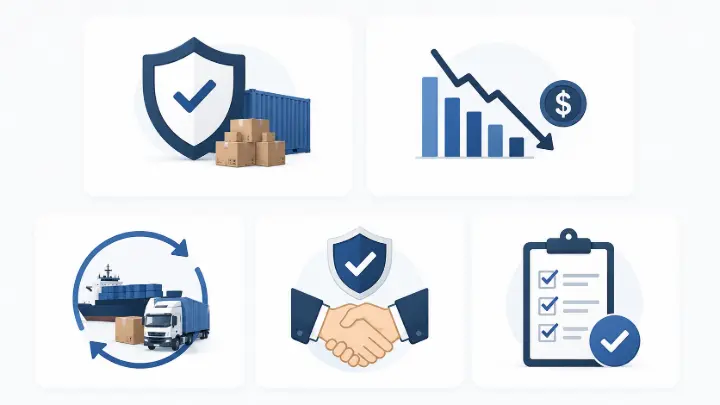
Some importers may believe that insurance costs can be avoided to reduce shipping expenses. However, an unexpected incident can result in losses that far exceed the cost of insurance.
The main benefits of cargo insurance include:
- Protecting the value of goods during transportation.
- Reducing financial risks for businesses.
- Supporting business continuity in the event of losses.
- Enhancing trust between suppliers and customers.
- Facilitating the compensation claims process according to the terms of the policy.
For this reason, insurance has become an essential part of risk management in international trade.
Is the Carrier’s Liability Sufficient?
One of the most common misconceptions is that the shipping company will compensate the full value of the goods if the shipment suffers any damage.
In reality, carrier liability is different from cargo insurance. The liability of transportation companies is governed by applicable laws, international conventions, and the terms of the contract of carriage, and compensation limits may be lower than the actual commercial value of the shipment. Cargo insurance, on the other hand, is intended to provide additional protection within the limits and terms of the insurance policy.
Two Options for Importers and Exporters
First: Shipping Without Insurance
An importer or exporter can ship their goods without purchasing an insurance policy.
In this case, if the shipment is damaged or lost, the claim will be handled according to the carrier’s liability and the terms of the contract of carriage, and the compensation may not cover the full value of the goods.
Therefore, the risks should be carefully assessed before making this decision, especially when shipping high-value goods.
Second: Cargo Insurance
This is considered the safer option for businesses that rely on importing and exporting.
When an appropriate insurance policy is issued, the cargo owner receives coverage for the risks specified in the policy, reducing the impact of any financial losses that may result from accidents during transportation.
Insurance also helps businesses protect their capital and maintain their commercial operations without having to bear significant losses.
When Should You Purchase Insurance?
It is recommended to obtain insurance before the transportation process begins and before the goods are loaded onto the means of transport, whether a vessel, aircraft, or truck.
This gives the policy an opportunity to begin providing coverage at the appropriate time and allows the business to select the type of protection best suited to the nature and value of the shipment.
What Can an Insurance Policy Cover?
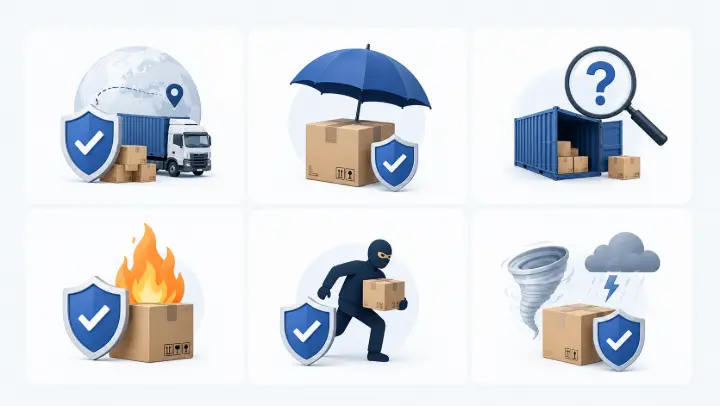
Coverage varies from one insurance company to another and from one policy to another. However, depending on the terms of the policy, it may include:
- Damage to goods during transportation.
- Loss of the shipment.
- Certain incidents during shipping.
- Fire.
- Theft.
- Certain natural or exceptional risks if they are included in the policy.
Therefore, the coverage details and exclusions should always be reviewed before issuing the insurance policy.
What Is the Relationship Between Incoterms and Insurance?
International Commercial Terms (Incoterms) play an important role in determining which party is responsible for transportation and insurance costs and when risks transfer between the seller and buyer.
For example:
- Under the CIF term, the price includes the cost of the goods, insurance, and freight charges up to the port of destination.
- Under the FOB term, the risk transfers after the goods have been loaded onto the vessel, and insurance is generally the buyer’s responsibility.
The Federal Authority for Identity, Citizenship, Customs and Port Security explains these terms in its guide to foreign trade terminology.
How Can Logistics Companies Help You?
Logistics companies in the UAE provide integrated solutions that help customers with:
- Selecting appropriate insurance coverage.
- Coordinating the issuance of the insurance policy.
- Preparing shipping documents.
- Following up on claims procedures when necessary.
- Facilitating import and export operations.
This helps reduce risks while saving business owners time and effort.
Conclusion
Cargo insurance is one of the most important tools that helps businesses protect their shipments and reduce the risks associated with international transportation. Given the UAE’s position as a global hub for trade and logistics services, including insurance as part of a shipping plan provides businesses with greater protection and financial stability against unexpected circumstances.
Whether you are importing goods into the UAE or exporting products to markets around the world, choosing appropriate insurance coverage is an important step toward protecting your business and strengthening the continuity of your commercial activities.